Sweet Rosie: A Whimsical Handwritten Font for Creative Projects
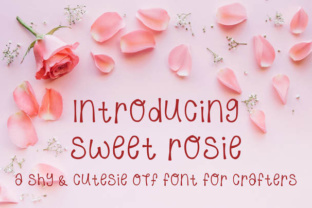
Sweet Rosie is a hand-crafted font that blends elegance with a playful aesthetic, making it a standout choice for designers and creators looking to add a personal touch to their work. Its fluid, swirling style evokes a sense of softness and charm, ideal for projects that require a feminine or artisanal feel. Whether you're designing packaging, creating social media graphics, or working on a branding project, Sweet Rosie offers a unique visual identity that can elevate your creative output.
What Makes Sweet Rosie Unique?
Sweet Rosie stands out due to its distinct handwritten appearance, which mimics the natural flow of a pen on paper. Unlike rigid, geometric fonts, this typeface has a warm, organic quality that feels more approachable and human. The font includes a range of stylistic alternates, allowing users to customize the look to suit different design needs. These variations help maintain visual interest without requiring complex design adjustments.
The font’s character set is comprehensive, supporting multiple languages and special symbols, which enhances its usability across different platforms and projects. Its legibility remains consistent even at smaller sizes, making it suitable for both headlines and body text in certain contexts. This versatility ensures that Sweet Rosie isn’t limited to just decorative use but can also serve functional roles in design work.
Key Characteristics and Design Elements
One of the most notable features of Sweet Rosie is its cursive style, which gives it an almost artistic flair. The letters flow smoothly from one to the next, creating a sense of movement that can draw attention to key elements in a design. The font’s curves are well-balanced, avoiding excessive embellishment that might make it difficult to read in larger blocks of text.
The weight of the font is light enough to feel delicate yet strong enough to hold its own in various design applications. It works well in both digital and print formats, though its effectiveness may vary depending on the medium. For instance, when used in large-scale signage, the font’s intricate details might not translate as clearly as they do in smaller, more controlled environments.
Sweet Rosie also includes ligatures and contextual alternates, which can be activated in design software that supports OpenType features. These elements allow for more natural-looking text, especially when used in longer phrases or sentences. This level of detail contributes to the font’s overall professionalism and makes it more adaptable for a wide range of creative tasks.
Practical Applications and Use Cases
Sweet Rosie is particularly well-suited for projects that aim to convey a sense of creativity, femininity, or nostalgia. It can be used in branding for boutique businesses, wedding invitations, greeting cards, and other personalized items where a handmade feel is desired. Its ability to evoke emotion through typography makes it a valuable asset for designers looking to create a specific mood or atmosphere.
In the realm of digital marketing, Sweet Rosie can enhance social media posts, blog headers, and email newsletters by adding a touch of personality. It pairs well with modern sans-serif fonts, creating a balanced contrast that draws the eye without overwhelming the viewer. However, it’s important to consider the context in which the font is used—overuse or improper pairing can diminish its impact.
For educators and content creators, Sweet Rosie can be an effective tool for making educational materials more engaging. Its whimsical nature can help capture the attention of younger audiences or add a creative edge to presentations and slides. Still, it should be used judiciously to ensure readability and maintain a professional tone where necessary.
Strengths and Limitations
Sweet Rosie excels in its ability to bring a sense of warmth and individuality to design projects. Its handcrafted look sets it apart from more mechanical typefaces, making it a go-to option for those seeking a personal touch. The font’s flexibility allows it to be used in a variety of settings, from casual to semi-formal, depending on how it’s applied.
However, there are some limitations to consider. Due to its cursive style, Sweet Rosie may not be the best choice for long paragraphs of text, as readability can suffer in dense blocks. Additionally, while the font is available in multiple weights and styles, its availability in certain design tools may be limited, requiring users to download and install it separately.
Another consideration is the font’s suitability for commercial use. Depending on the license, users may need to verify whether Sweet Rosie can be used in professional projects without additional fees. This is an important factor for small business owners and freelancers who rely on affordable design resources.
Who Can Benefit from Sweet Rosie?
Sweet Rosie is ideal for creatives who want to infuse their work with a sense of authenticity and charm. Freelancers, bloggers, and small business owners often use such fonts to differentiate their brand and create a memorable visual identity. Its versatility makes it a practical choice for anyone involved in graphic design, marketing, or content creation.
Entrepreneurs launching new products or services can leverage Sweet Rosie to craft packaging, logos, or promotional materials that reflect their brand’s personality. Similarly, educators and presenters can use the font to make their content more visually appealing, especially when targeting younger or more artistic audiences.
For hobbyists and DIY enthusiasts, Sweet Rosie offers a way to personalize crafts, home decor, and other handmade items. Its aesthetic aligns well with the values of creativity and self-expression, making it a popular choice among those who enjoy crafting and designing for pleasure rather than profit.
Final Thoughts on Sweet Rosie
Sweet Rosie is a thoughtful and versatile font that brings a unique blend of style and functionality to any design project. Its handcrafted appeal makes it a compelling choice for those looking to add a personal, artistic touch to their work. While it may not be the best fit for every situation, its strengths in aesthetics, flexibility, and usability make it a valuable addition to any designer’s toolkit.
Whether you’re creating a logo, designing a website, or simply looking for a way to express yourself through typography, Sweet Rosie offers a fresh and inviting alternative to more conventional fonts. By understanding its capabilities and limitations, you can make an informed decision about whether it aligns with your creative goals and project requirements.