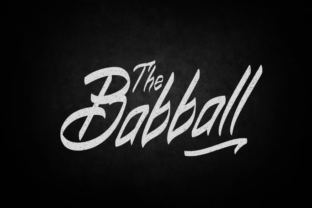
Babball: A Handwritten Font for Creative Projects
Babball is a casual, handwritten font that offers a unique and friendly aesthetic. Designed for use in headlines, display text, or body copy, it brings a personal touch to any design project. Its informal style makes it particularly well-suited for creative applications where a more relaxed and approachable look is desired.
One of the key features of Babball is its inclusion of stylistic alternates. These allow users to customize the font and create variations that better suit their specific design needs. Whether you're working on a logo, a poster, or a website, these alternates can help you achieve a more distinctive and tailored appearance.
Why Babball Might Interest You
If you're looking for a font that adds a human element to your designs, Babball could be an excellent choice. It's ideal for projects that aim to convey warmth, creativity, or a sense of informality. For instance, it might work well for branding materials, social media content, or educational resources that benefit from a more engaging visual style.
Designers who want to avoid the rigid look of traditional typefaces may find Babball appealing. Its organic shape and irregularities give it a handcrafted feel, which can make a design stand out. This is especially useful when trying to create a more personal connection with the audience.
Benefits of Using Babball
One of the main advantages of Babball is its versatility. It can be used in a variety of contexts, from simple text elements to more complex typographic layouts. The availability of stylistic alternates also means that users have greater control over how the font appears, allowing for more creative expression.
Babball's casual nature makes it easy to read in smaller sizes, which is beneficial for body text. However, it's important to note that readability may vary depending on the context and surrounding design elements. In some cases, additional spacing or contrast may be needed to ensure clarity.
Considerations and Tradeoffs
While Babball has many strengths, it may not be the best choice for every project. Its informal style could be unsuitable for professional or formal settings where a more structured and polished appearance is required. In such cases, alternative fonts with a more traditional look may be more appropriate.
Another consideration is the font's legibility in certain situations. While it works well for short phrases or headlines, it may not be as effective for long blocks of text. Users should test the font in different formats and sizes to determine its effectiveness for their specific use case.
Situations Where Babball Excels
Babball is particularly effective in projects that benefit from a friendly and approachable tone. This includes marketing materials for small businesses, creative campaigns, or content aimed at younger audiences. Its unique character can help differentiate a brand or message in a crowded market.
It's also a good option for designers who want to add a personal touch to their work without relying on custom illustrations. By using Babball, they can maintain a cohesive visual identity while still expressing individuality through typography.
When Alternatives May Be Better
In scenarios where a more formal or structured look is needed, other fonts may be more suitable. For example, serif or sans-serif typefaces are often preferred for business documents, academic publications, or official communications. These fonts tend to offer better readability and a more professional appearance.
Additionally, if a project requires a high level of consistency across multiple platforms or devices, a more standardized font may be necessary. Babball's stylized design may not render consistently on all systems, which could affect the overall look of the final output.
Practical Decision-Making Insights
When deciding whether to use Babball, consider the purpose of the design and the intended audience. If the goal is to create a warm, engaging, or informal feel, then Babball is a strong candidate. However, if the design requires a more serious or structured approach, it may be worth exploring other options.
Testing the font in different contexts is essential. Try using it in various sizes, colors, and backgrounds to see how it performs. This will help you understand its strengths and limitations and make an informed decision about its suitability for your project.
Ultimately, the choice of font depends on the specific goals of the design. Babball offers a distinctive and versatile option for those looking to add a personal touch to their work. By understanding its characteristics and considering the requirements of the project, users can determine whether it aligns with their needs and objectives.