Cloudheads: A Unique Handwritten Font for Creative Projects
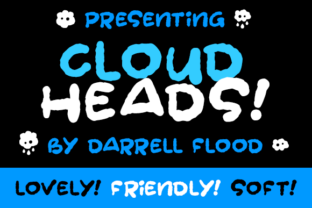
Cloudheads is a distinctive handwritten font that stands out for its cute, friendly, and blobby style. Designed by Darrell Flood, this font features adorable little clouds that add a whimsical touch to any text. Its puffy, rounded shapes make it ideal for projects that require a playful and approachable aesthetic. Whether used in branding, design, or digital content, Cloudheads brings a sense of warmth and creativity to the table.
What Makes Cloudheads Stand Out?
Cloudheads is not just another font—it's a visual experience. The font's unique cloud-like elements give it a soft, almost cartoonish appearance, making it perfect for audiences that appreciate lighthearted and imaginative designs. Unlike more traditional fonts, which often prioritize clarity and professionalism, Cloudheads leans into a more expressive and artistic style. This makes it particularly well-suited for creative industries such as children's books, marketing materials, or social media content where a fun and engaging tone is essential.
Reasons to Consider Cloudheads
There are several reasons why someone might be drawn to Cloudheads. First and foremost, its visual appeal is hard to ignore. The font's charming clouds and rounded letters create an instantly recognizable look that can help a brand or project stand out. Additionally, Cloudheads is versatile enough to work in both digital and print formats, making it a practical choice for designers who need a font that adapts well across different mediums.
Another benefit of Cloudheads is its readability. While it may seem like a more decorative option, the font maintains a level of legibility that allows it to be used in body text, especially when paired with other, more standard fonts. This makes it a good choice for projects that want to maintain a playful tone without sacrificing clarity.
Considerations and Tradeoffs
Despite its many strengths, Cloudheads may not be the best fit for every project. Its stylistic choices can sometimes limit its applicability in more formal or professional settings. For instance, using Cloudheads in a business report or academic paper might come across as unprofessional, depending on the context. Therefore, it's important to consider the audience and purpose of the project before deciding to use this font.
Additionally, while Cloudheads is visually appealing, it may not be the most efficient choice for long blocks of text. Its unique style can become distracting if overused, especially in large paragraphs. Designers should balance its use with more conventional fonts to ensure that the overall layout remains cohesive and easy to read.
Situations Where Cloudheads Shines
Cloudheads excels in situations where a creative, playful, or personal touch is desired. It is particularly effective in branding for businesses targeting younger audiences, such as educational platforms, toy companies, or lifestyle brands. Its friendly appearance can help build a connection with users, making it an excellent choice for logos, banners, or promotional materials.
The font also works well in digital environments, such as websites, mobile apps, or social media graphics. Its bubbly design can add personality to buttons, headings, or call-to-action elements, making them more engaging for users. When used in moderation, Cloudheads can enhance the user experience without overwhelming the design.
When Alternatives May Be Better
For projects that require a more serious or neutral tone, alternatives to Cloudheads may be more appropriate. Fonts like Arial, Helvetica, or Georgia offer greater versatility and are better suited for professional or technical content. In these cases, the simplicity and clarity of traditional fonts can provide a more effective solution.
Additionally, for projects that require high levels of legibility, such as signage, presentations, or documents with dense text, a more straightforward font may be preferable. While Cloudheads has its place, it’s important to evaluate whether its stylistic elements align with the goals of the project.
Practical Insights for Decision-Making
When considering whether to use Cloudheads, it’s helpful to ask a few key questions. Who is the target audience? What is the primary purpose of the design? How does the font fit within the overall visual identity? These questions can guide the decision-making process and help ensure that the chosen font supports the project's goals.
Designers should also test the font in different contexts to see how it performs. For example, viewing it on various devices or in different sizes can reveal potential issues with readability or scalability. Experimentation is key to determining whether Cloudheads is the right choice for a specific project.
Finally, it’s worth exploring other similar fonts to compare their features and styles. This can help identify whether Cloudheads is the best fit or if another option might better meet the needs of the project. By taking a thoughtful and informed approach, designers can make more confident decisions about font selection.
Conclusion
Cloudheads is a standout font that offers a unique blend of charm and functionality. Its playful, cloud-filled design makes it ideal for creative projects that aim to engage and delight. However, it’s important to weigh its benefits against the requirements of the project to ensure that it aligns with the intended purpose and audience. By carefully evaluating its suitability, designers can make informed choices that enhance their work and meet their creative goals.