Selvia: A Versatile Script for Branding and Decorative Design
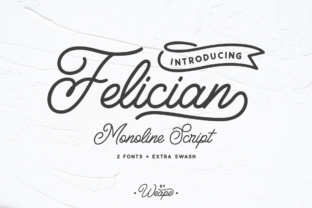
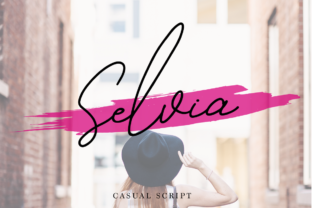
Selvia is a distinctive monoline script font that offers a unique blend of elegance and edge. Its thin, flowing strokes create a sense of movement and grace, making it ideal for projects that require a touch of sophistication with a modern twist. Unlike many other script fonts that lean heavily into traditional or overly ornate styles, Selvia strikes a balance between artistic flair and readability, making it a practical choice for a wide range of design applications.
What Makes Selvia Unique?
Selvia stands out due to its minimalist approach. As a monoline script, it lacks the varying thicknesses found in many traditional scripts, resulting in a clean, uniform appearance. This characteristic makes it particularly effective for use in logos, headlines, and branding materials where clarity and visual impact are essential. The font’s delicate structure also allows it to pair well with other typefaces, offering flexibility in layout design.
The font’s subtle curves and sharp transitions give it an edgy yet romantic aesthetic. This duality makes it suitable for both high-end fashion brands and creative projects that aim to evoke a sense of intimacy or artistry. Its versatility extends to digital and print formats, ensuring consistent performance across different mediums.
Comparing Selvia with Similar Fonts
When evaluating script fonts, designers often consider factors such as legibility, style, and application. Selvia compares favorably with other monoline scripts like Great Vibes or Lobster, but it distinguishes itself through its refined structure and adaptability. While Great Vibes leans more toward a vintage, hand-drawn feel, Selvia maintains a contemporary edge that suits modern branding needs.
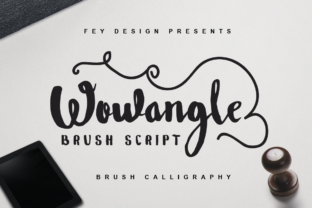
Fonts like Playfair Display offer a more serif-based approach, which can be ideal for editorial or formal designs. However, Selvia’s script form provides a more fluid and expressive alternative for those seeking a less rigid typographic solution. In contrast to highly decorative options like Brush Script, Selvia remains functional without sacrificing visual interest.
For designers working on projects that require a mix of formality and creativity, Selvia serves as a middle ground between strict typography and freeform expression. It avoids the extremes of either approach, offering a balanced option that can work in both professional and artistic contexts.
Strengths and Best-Fit Situations
Selvia excels in scenarios where a soft yet striking visual presence is needed. It is particularly effective for branding elements such as logos, business cards, and social media profiles. Its thin strokes allow it to stand out without overwhelming the surrounding design, making it a good fit for minimalist or clean layouts.
The font is also well-suited for wedding invitations, personal stationery, and other design pieces that benefit from a romantic or intimate tone. Its elegant lines can convey a sense of refinement without appearing too formal. For creative projects like book covers, posters, or packaging, Selvia adds a layer of artistic flair that enhances the overall aesthetic.
Designers who prioritize readability will find Selvia useful for headings and subheadings, especially when paired with a more structured sans-serif or serif font. Its simplicity ensures that it remains legible even at smaller sizes, which is crucial for web and mobile interfaces.
Tradeoffs and Limitations
While Selvia has many strengths, it may not be the best choice for every project. Its thin strokes can make it less effective for large blocks of text, where a more robust typeface might be preferable. In such cases, using Selvia as a headline font rather than a body font is typically more successful.
Additionally, the font’s minimalistic design may not resonate with audiences looking for a more dramatic or bold typographic statement. For brands that want to project strength or authority, a heavier or more geometric typeface could be more appropriate. Selvia’s subtlety is its strength, but it may not align with all brand identities.
Another consideration is the font’s availability and licensing. While Selvia is widely accessible, users should ensure that their intended use—whether commercial or personal—aligns with the font’s license terms. Some designers may find that alternative fonts offer more flexibility in specific use cases.
When Selvia Is the Right Choice
Selvia is a strong candidate for projects that require a delicate balance between style and function. If a designer is aiming for a modern, elegant look without sacrificing clarity, Selvia can be an excellent choice. It works well for brands that want to communicate a sense of sophistication while maintaining an approachable image.
For example, a boutique clothing line targeting young professionals might use Selvia in its logo to suggest both style and professionalism. Similarly, a lifestyle blog could incorporate Selvia in its header to add a touch of personality without overwhelming the reader.
Designers working on multi-platform projects—such as websites, apps, and printed materials—can benefit from Selvia’s adaptability. Its clean lines and consistent proportions ensure that it performs well across different devices and formats, reducing the need for multiple font variations.
Alternatives to Consider
If Selvia does not meet a specific design need, there are several alternatives worth exploring. For instance, Quicksand offers a similar level of legibility with a slightly more geometric structure, making it a good option for digital interfaces. Raleway provides a modern, clean look that is highly versatile for both web and print.
For those seeking a more expressive script, Amatic SC or Bebas Neue could be viable options. These fonts have bolder strokes and a more pronounced character, which may be better suited for eye-catching headlines or signage. However, they may lack the subtlety and refinement that Selvia offers.
Ultimately, the decision between Selvia and other fonts depends on the specific goals of the project. Evaluating each font’s strengths and limitations in relation to the desired outcome is key to making an informed choice.
Conclusion: Making an Informed Decision
Selvia is a valuable tool for designers looking to add a touch of elegance and modernity to their work. Its unique combination of thin strokes, readability, and versatility makes it suitable for a wide range of applications, from branding to editorial design. However, it is important to consider its limitations and compare it with other options to determine the best fit for each project.
By understanding the strengths and tradeoffs of Selvia, designers can make more informed decisions about when and how to use it. Whether used as a primary headline font or as a complementary element in a larger design, Selvia has the potential to enhance visual storytelling and brand identity in meaningful ways.