Poppy Seed: A Unique Choice for Creative Expression
Poppy Seed is a distinctive font that blends the elegance of hand-written script with the boldness of marker-style lettering. Its design offers a visually engaging option for those looking to add a personal, artistic touch to their work. The font’s unique characteristics make it stand out in a landscape of digital typography, appealing to creators who value both style and functionality.
What Makes Poppy Seed Distinct?
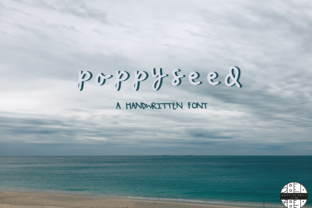
Poppy Seed is not just another font—it’s a carefully crafted design that reflects the physical process of its creation. The capital letters are bold and assertive, resembling the strokes of a marker, while the lowercase letters are curly and messy, giving the font a handwritten, organic feel. This contrast between the strong uppercase and the flowing lowercase creates a dynamic visual rhythm that can enhance any text.
The font’s design is ideal for projects that require a balance between professionalism and creativity. Whether used in branding, signage, or digital content, Poppy Seed adds a sense of authenticity and individuality. Its handcrafted appearance can evoke a sense of warmth and approachability, making it a compelling choice for designers and writers alike.
Poppy Seed vs. Other Hand-Written Fonts
When comparing Poppy Seed to other hand-written fonts, it’s important to consider the specific needs of the project. Many similar fonts prioritize either a clean, minimalist look or a highly stylized, ornate appearance. Poppy Seed, however, strikes a middle ground by combining boldness with fluidity.
For example, a font like Great Vibes offers a more flowing, cursive style that may be better suited for formal invitations or artistic headings. In contrast, Poppy Seed’s marker-like capitals provide a stronger visual presence, making it more suitable for headlines or logos that need to command attention. Another alternative, Lobster, leans toward a playful, casual aesthetic, which may not align with the more balanced tone of Poppy Seed.
Each font has its own strengths, and the choice often depends on the context and desired effect. Poppy Seed’s versatility allows it to adapt to various styles, making it a flexible option for different creative applications.
Strengths and Tradeoffs of Poppy Seed
One of the main strengths of Poppy Seed is its ability to convey personality without sacrificing readability. The font’s bold capitals ensure that key elements stand out, while the curly lowercase letters add a sense of movement and energy. This combination can be particularly effective in marketing materials, where visual appeal and clarity are both important.
However, there are tradeoffs to consider. The font’s irregularity may not be suitable for all types of content. In formal documents or technical writing, the messier aspects of Poppy Seed could be distracting or difficult to read. Additionally, because the font is hand-crafted, it may not render as consistently across different devices or platforms as a more standardized typeface.
Designers should also be mindful of how the font interacts with other elements in a layout. While Poppy Seed can add a unique flair, it may require careful pairing with complementary fonts to maintain overall harmony. For instance, using it alongside a clean sans-serif font can help balance its expressive qualities with a more structured appearance.
Best-Fit Situations for Poppy Seed
Poppy Seed is well-suited for projects that benefit from a personal, artistic touch. It works especially well in branding efforts that aim to communicate creativity, innovation, or a connection to craftsmanship. For example, a small business owner launching a new line of handmade products might use Poppy Seed to reinforce the artisanal nature of their offerings.
It is also a good choice for social media content, where visual impact is key. The font’s bold and curly characteristics can draw attention and make posts more engaging. In this context, Poppy Seed can help differentiate content from the competition, adding a memorable visual element to a brand’s online presence.
Additionally, the font is useful in educational or creative environments. Teachers or educators might use it in lesson plans or presentations to add a lively, informal tone. Similarly, artists or writers could incorporate it into their portfolios or websites to express their individuality and creative vision.
When Poppy Seed May Not Be the Right Choice
While Poppy Seed has many advantages, there are situations where it may not be the best fit. In professional or corporate settings, where clarity and consistency are paramount, the font’s irregularities could be seen as unrefined or unprofessional. For instance, a financial institution or legal firm may prefer a more traditional, standardized font to convey trust and reliability.
Similarly, in digital interfaces or user experiences, the font’s complexity may affect usability. If a website or app relies heavily on text, the readability of Poppy Seed could become an issue, especially for users with visual impairments or those accessing content on smaller screens. In such cases, a simpler, more legible font would be more appropriate.
Another consideration is the availability of the font. Since Poppy Seed is a custom-designed typeface, it may not be as widely accessible as more common fonts. Users may need to download or license it separately, which could be a barrier for some projects.
Practical Examples of Poppy Seed in Use
Consider a local bakery that wants to create a menu board with a rustic, homemade feel. Using Poppy Seed for the headings and special offers could enhance the overall aesthetic, making the menu more inviting and memorable. The font’s bold capitals would highlight key items, while the curly lowercase letters would add a sense of warmth and charm.
Another example is a freelance graphic designer showcasing their portfolio online. By incorporating Poppy Seed into their website’s navigation or section titles, the designer can demonstrate their creative flair and attention to detail. This subtle use of the font can help set their work apart from competitors and reflect their personal style.
In a more abstract setting, a poet or writer might use Poppy Seed in a chapbook or zine to give their work a tactile, handcrafted quality. The font’s unique appearance could complement the themes of the text, creating a more immersive reading experience.
Conclusion: Evaluating Poppy Seed as a Design Choice
Poppy Seed offers a distinctive blend of boldness and fluidity that can enhance a wide range of creative projects. Its hand-crafted appearance adds a personal touch, making it a valuable tool for designers, writers, and entrepreneurs who want to express their individuality. However, its suitability depends on the specific needs of the project and the audience it serves.
By understanding the strengths and limitations of Poppy Seed, users can make informed decisions about when and how to use it effectively. Whether as a focal point or a supporting element, the font has the potential to elevate the visual and emotional impact of any design. As with any typographic choice, the key is to align the font’s characteristics with the goals of the project and the expectations of the audience.