Pipes as a Decorative Font: A Stylish Fusion of Industrial Heritage and Modern Design
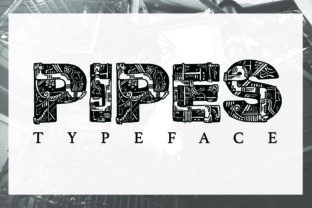
The evolution of typography has always reflected the cultural and technological shifts of its time. One such example is the Pipes font, a unique typeface that draws inspiration from the industrial revolution of the 1930s. This decorative font, available in TrueType Format (TTF), combines all caps characters and numbers with a bold aesthetic that echoes the mechanical era. Its design captures the essence of a time when manual labor was gradually replaced by machinery, and society grappled with the challenges of modernization.
What makes Pipes stand out is its ability to blend historical context with contemporary versatility. The font’s industrial roots are evident in its sharp lines and structured forms, which evoke the machinery and infrastructure of the early 20th century. Yet, despite its strong visual identity, Pipes is not limited to nostalgic or retro applications. It can be paired effectively with other simple serif and sans serif fonts, creating a balanced and dynamic typographic composition.
The Industrial Roots of Pipes
The 1930s were a pivotal decade for industrial design. Factories became more automated, and the transition from handcrafted goods to mass-produced items reshaped everyday life. This period also influenced the visual language of the time, with typography playing a key role in advertising, signage, and branding. The Pipes font channels this energy through its clean yet assertive character shapes.
Each letter in Pipes is designed with a sense of strength and precision, reminiscent of the metalwork and engineering aesthetics of the era. The use of all caps reinforces this industrial feel, making the font ideal for headings, logos, and titles that demand attention. Numbers are similarly styled, adding consistency to the overall look.
While the font’s design is rooted in history, it remains relevant in today’s digital landscape. Its boldness allows it to stand out in a variety of contexts, from print media to web design. Whether used in a magazine layout or a website header, Pipes brings a sense of authority and character that can elevate any project.
Versatility Through Pairing
One of the most appealing aspects of Pipes is its compatibility with other fonts. Because it is a decorative typeface, it works best when balanced with simpler, more neutral styles. Serif fonts like Times New Roman or Georgia provide a classic contrast, while sans serif options like Helvetica or Arial offer a modern edge.
This pairing strategy ensures that the decorative elements of Pipes do not overwhelm the text. Instead, they enhance readability and visual interest. For instance, using Pipes for a headline and a serif font for body text creates a clear hierarchy that guides the reader’s eye naturally.
Designers often experiment with different combinations to achieve the desired effect. In editorial layouts, Pipes might be used for subheadings, while a sans serif font handles the main content. In branding, it could appear in a logo alongside a more straightforward typeface, creating a striking yet professional look.
Practical Applications of Pipes
The practical applications of Pipes extend beyond just visual appeal. Its bold and distinctive style makes it well-suited for projects that require a strong visual presence. For example, in the realm of marketing and advertising, Pipes can be used to create eye-catching headlines that communicate messages with clarity and impact.
In the field of education, the font can be employed in presentations or infographics to emphasize key points. Its all-caps format ensures that important information stands out, making it easier for audiences to absorb and retain details. Similarly, in research and academic settings, Pipes can be used for section titles or captions, adding a touch of professionalism without sacrificing readability.
For hobbyists and independent creators, Pipes offers a way to add personality to personal projects. Whether designing a custom poster, crafting a logo, or developing a digital portfolio, the font provides a unique identity that reflects the creator’s vision.
Considerations for Using Pipes
While Pipes is a powerful tool, it is important to use it thoughtfully. Overuse can lead to visual clutter, especially in long-form text. As a decorative font, it is best reserved for specific elements such as headings, titles, or short phrases where its impact is most effective.
Another consideration is legibility. Although the font is designed with clarity in mind, certain characters may appear less distinct when used in smaller sizes or at lower resolutions. Designers should test the font in different contexts to ensure it maintains its intended effect without compromising readability.
Additionally, the availability of the TTF file means that Pipes can be easily integrated into various design software and platforms. This accessibility makes it a valuable resource for both professionals and enthusiasts who want to incorporate a unique typographic element into their work.
Embracing the Legacy of Pipes
The Pipes font is more than just a visual choice—it is a tribute to an era of transformation and innovation. By drawing on the aesthetics of the industrial revolution, it connects the past with the present, offering a bridge between historical influence and modern design. Its ability to adapt and integrate with other fonts ensures that it remains relevant across a wide range of applications.
As designers continue to explore new ways to express creativity, fonts like Pipes provide a meaningful way to convey emotion, identity, and purpose. Whether used in a commercial setting or a personal project, the font serves as a reminder of the enduring power of typography to shape perception and communication.
Ultimately, the success of Pipes lies in its ability to balance form and function. Its bold, industrial-inspired design adds character and depth, while its versatility ensures that it can be used effectively in diverse contexts. For those looking to make a statement through typography, Pipes offers a compelling option that is both visually striking and practically useful.