h1 Slug: A Unique Font for Those Who Embrace the Unconventional
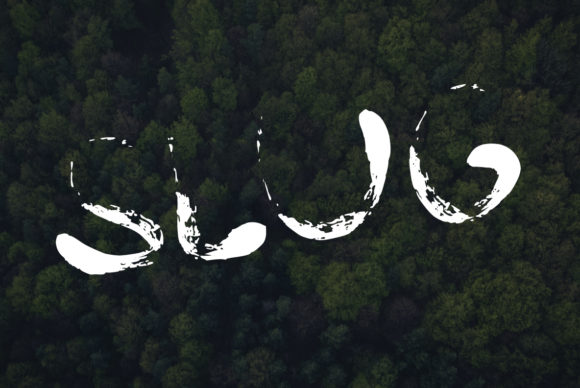
p In the world of typography, there are countless fonts designed to convey specific moods, styles, and messages. One such font that stands out for its distinct character is Slug. This typeface, inspired by the slow-moving mollusk, offers a raw, organic aesthetic that sets it apart from more polished or structured alternatives. For those looking for a font that captures the essence of imperfection, decay, and natural irregularity, Slug presents an intriguing option.
h2 What Makes Slug Distinct?
p Slug is not your typical clean-cut typeface. Instead, it embraces the rough, uneven textures found in nature. The font’s design mimics the slimy, sticky, and slightly decaying appearance of a slug’s trail, giving it a unique visual identity. Each letterform is hand-drawn, with subtle variations in thickness, curvature, and alignment that reflect the organic randomness of the natural world.
p This style makes Slug ideal for projects that seek to evoke a sense of nostalgia, earthiness, or even a touch of whimsy. Whether used in branding, editorial design, or creative projects, Slug adds a layer of texture and personality that can’t be replicated by more standard fonts. Its appeal lies in its ability to feel both authentic and unconventional.
h3 Comparing Slug to Other Fonts
p When evaluating Slug, it’s helpful to consider how it compares to other fonts in similar categories. For instance, while many typefaces aim for clarity and readability, Slug takes a different approach by prioritizing visual interest over strict legibility. This trade-off means that Slug may not be the best choice for body text in traditional publishing, but it excels in more expressive or experimental contexts.
p In contrast to sleek, modern sans-serifs like Helvetica or Roboto, Slug offers a much more tactile and unpredictable feel. It shares some similarities with graffiti-style or hand-painted fonts, but its organic quality gives it a more grounded, natural look. Unlike the bold, aggressive strokes of a stencil font, Slug’s design feels softer and more approachable, as if it has been left to age and weather over time.
h2 Strengths and Best-Fit Situations
p One of Slug’s greatest strengths is its ability to add character and depth to a design. Its irregularities and imperfections make it well-suited for projects that aim to convey a sense of authenticity or craftsmanship. For example, a small business specializing in organic products might use Slug to create packaging or marketing materials that reflect the natural ingredients they use.
p Similarly, Slug could be an excellent choice for editorial work, such as magazine covers or book titles, where a distinctive visual element is needed. It also works well in digital environments, such as social media posts, posters, or website headers, where a bold and eye-catching design is desired.
p However, it’s important to note that Slug’s unpolished appearance may not be appropriate for all situations. In professional settings where clarity and consistency are key, a more refined font might be a better fit. Additionally, because of its irregular shape and spacing, Slug may require careful typographic adjustments to ensure it reads well in different sizes and formats.
h2 Tradeoffs and Limitations
p While Slug offers a unique aesthetic, it does come with certain limitations. Its irregularity can make it less readable at smaller sizes, which may restrict its use in certain applications. Designers should also be mindful of how the font interacts with other elements in a layout, as its uneven structure may clash with more rigid or structured designs.
p Another consideration is the font’s availability. Unlike widely used typefaces, Slug may not be as readily accessible or supported across all platforms. This could pose challenges for users who need to ensure consistent rendering across different devices or software.
h2 When Slug Is the Right Choice
p Slug is most effective when the goal is to create a visual impact that feels organic and unpolished. It works best in creative projects that value expression over precision, such as art installations, independent publications, or brand identities that want to stand out from the crowd.
p For example, a designer working on a campaign for a local garden center might choose Slug to emphasize the natural, handmade qualities of their products. Or a musician launching an album with a rustic theme could use the font to create a cohesive visual identity that reflects the tone of their music.
p In these scenarios, Slug’s imperfections become its strength, adding a layer of authenticity that aligns with the project’s overall message.
h2 Alternatives to Consider
p For those who find Slug too unconventional, there are alternative fonts that offer a balance between creativity and readability. Fonts like Grunge, Handwritten, or Brush Script provide a similar hand-crafted feel but with more consistent shapes and structures. These options may be more versatile for a wider range of applications, including body text or formal designs.
p On the other end of the spectrum, minimalist or geometric fonts like Futura or Montserrat offer a clean, modern look that is highly legible and adaptable. These fonts are often preferred in corporate or technical contexts where clarity is essential.
p Ultimately, the choice between Slug and other fonts depends on the specific needs of the project and the desired visual outcome. Understanding the strengths and limitations of each option can help designers make informed decisions that align with their goals.
h2 Conclusion: Choosing the Right Font for Your Needs
p Slug is a font that celebrates imperfection and natural beauty. Its unique design makes it a compelling choice for creative projects that benefit from a textured, organic look. However, its irregularity and limited versatility mean it may not be the best fit for every situation.
p By understanding the characteristics of Slug and how it compares to other fonts, designers can determine whether it aligns with their vision and objectives. Whether it’s the right choice or not, Slug offers a refreshing alternative for those who want to break away from the norm and embrace the unexpected.