Dandangna: A Stylish Calligraphy Font for Elegant Design Projects
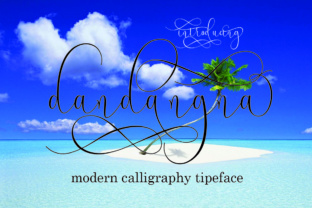
Dandangna is more than just a font—it's a visual statement. This calligraphy-style typeface blends traditional elegance with modern versatility, making it ideal for a wide range of design needs. Whether you're working on branding, print materials, or digital content, Dandangna adds a refined touch that can elevate any project.
When to Use Dandangna in Real-World Projects
One of the most common applications of Dandangna is in branding and logo design. Its flowing lines and classic structure give it a timeless quality that can work well for businesses aiming to convey sophistication. For example, a boutique coffee shop looking to create a warm, inviting brand identity might use Dandangna in its logo to evoke a sense of tradition and craftsmanship.
In the realm of print design, Dandangna shines on wedding invitations, thank-you cards, and event posters. Its ornate details make it perfect for occasions that require a personal, handcrafted feel. A designer creating a custom wedding suite might pair Dandangna with a simpler sans-serif font for balance, ensuring the text remains readable while still standing out.
Digital platforms also benefit from Dandangna’s presence. Social media posts, blog headers, and website banners can all be enhanced with this font. A lifestyle blogger focusing on home decor might use Dandangna in a header to add visual interest without overwhelming the reader. The key is to use it strategically, as overuse can make text harder to read.
Who Benefits from Using Dandangna?
Graphic designers often find Dandangna useful when they need to add a unique flair to their work. It’s especially popular among those who specialize in vintage or artisanal styles. A designer working on a retro-themed campaign might choose Dandangna to reinforce the nostalgic vibe of the project.
Business owners looking to differentiate their brand can also benefit from Dandangna. A small business owner launching a new line of handmade soaps might use the font in product packaging to communicate quality and care. The font’s aesthetic aligns well with brands that want to emphasize craftsmanship and individuality.
Content creators, such as YouTubers or podcast hosts, may use Dandangna in thumbnails or promotional graphics. It helps create a visually appealing image that stands out in a crowded space. However, it’s important to test how the font looks at different sizes and resolutions to ensure it remains legible across devices.
Considerations Before Choosing Dandangna
Before incorporating Dandangna into your design, consider the context in which it will be used. While it’s beautiful in headings and titles, it may not be the best choice for body text. The intricate details can become difficult to read, especially in smaller sizes or on low-resolution screens.
Another factor to keep in mind is the availability of the font. Dandangna may not be included in standard font libraries, so users might need to download it from a font marketplace or design platform. Always check licensing terms to ensure it’s suitable for both personal and commercial projects.
Compatibility is also important. Some software or platforms may not support certain font formats, so it’s wise to verify that Dandangna works seamlessly with the tools you’re using. Testing the font in different environments can help avoid last-minute issues.
Strengths and Limitations of Dandangna
Dandangna’s greatest strength lies in its ability to add character and style to a design. Its fluid, handwritten look gives it a personal touch that many other fonts lack. This makes it a go-to option for projects that require a creative or artistic edge.
However, Dandangna isn’t without its limitations. Its complexity can make it less effective in situations where clarity and readability are paramount. In these cases, a more straightforward font might be a better choice. Additionally, because it’s a specialized typeface, it may not be as widely recognized as more common fonts, which could affect how audiences perceive the design.
Despite these challenges, Dandangna remains a powerful tool for designers and creators who want to add a touch of elegance to their work. Its unique qualities make it stand out in a sea of generic fonts, offering a fresh and distinctive alternative for those who seek something truly special.
How to Make the Most of Dandangna
To get the best results with Dandangna, start by experimenting with different sizes and spacing. Adjusting the letterforms can help improve readability while maintaining the font’s stylistic appeal. Pairing it with complementary fonts can also enhance the overall design, creating a balanced and cohesive look.
Testing the font in real-world scenarios is essential. Print a sample to see how it appears on paper, or view it on multiple devices to ensure it looks good in all contexts. This step can save time and prevent potential issues down the line.
Finally, don’t be afraid to use Dandangna creatively. Whether it’s for a personal project or a client’s brand, its flexibility allows for a wide range of applications. By understanding its strengths and limitations, you can harness its full potential and bring a unique visual identity to your work.