Buxton: A Minimalistic Handwritten Sans Serif Font for Modern Design
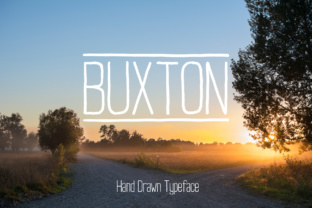
Buxton is a handwritten sans serif font that blends simplicity with a personal touch. Designed for use in branding, logos, and digital design projects, it offers a clean and modern aesthetic while retaining the warmth of a hand-drawn style. Its condensed structure ensures readability without sacrificing visual appeal, making it a versatile choice for designers looking to add a human element to their work.
Unlike many other fonts that lean heavily into either strict geometric shapes or overly ornate details, Buxton strikes a balance between formality and approachability. This makes it particularly well-suited for projects that require a friendly yet professional look. Whether used in print or on screen, its legibility ensures that it remains effective across various applications.
What Makes Buxton Distinct?
Buxton’s defining feature is its minimalistic approach. The font avoids unnecessary embellishments, focusing instead on clean lines and subtle variations in weight. These characteristics give it a modern feel while maintaining a sense of authenticity. Its handwritten quality adds a layer of uniqueness that can help differentiate a brand from competitors using more rigid typefaces.
The font’s condensed structure also sets it apart. By reducing the width of each character, Buxton allows for more text to fit within a given space without compromising clarity. This is especially useful in situations where space is limited, such as in mobile interfaces, packaging, or signage. At the same time, the font does not sacrifice readability, ensuring that even smaller sizes remain legible.
Another notable aspect of Buxton is its versatility. It works well in both digital and print formats, adapting smoothly to different mediums. This flexibility makes it a practical choice for designers who need a font that can be used across multiple platforms without requiring significant adjustments.
How Buxton Compares to Similar Fonts
When compared to other handwritten sans serif fonts, Buxton occupies a unique position. Many similar fonts tend to lean toward either a more formal or a more casual style, but Buxton maintains a neutral tone that can fit a wide range of design needs. For example, while fonts like Quicksand or Lato offer a more structured appearance, Buxton introduces a softer, more organic feel without being too informal.
In contrast to more decorative handwritten fonts, Buxton avoids excessive flourishes or irregularities that could make it less suitable for professional settings. This makes it a better option for brands that want to convey a sense of creativity without appearing unpolished. However, it may not be the best choice for projects that require a more stylized or artistic look.
From a technical standpoint, Buxton is also well-optimized for web and app use. Its file size is relatively small, which helps improve loading times without sacrificing quality. This is an important consideration for developers and designers working on performance-sensitive projects.
Strengths and Tradeoffs of Using Buxton
One of Buxton’s greatest strengths is its ability to blend into a variety of design schemes. Its neutral tone allows it to complement both bold and minimalist layouts, making it a flexible choice for different design styles. Additionally, its readability at smaller sizes means it can be used effectively in headings, body text, and even captions.
However, Buxton is not without limitations. Its minimalistic nature may not provide enough visual distinction for certain projects that require a stronger typographic identity. In such cases, a more distinctive font might be a better fit. Additionally, because it is a handwritten font, it may not align with the expectations of more traditional or corporate audiences who prefer a more rigid, mechanical typeface.
Designers should also consider the context in which Buxton will be used. While it excels in digital environments, its effectiveness in print may vary depending on the resolution and printing method. High-quality printing can enhance its appearance, but lower-quality outputs may reveal inconsistencies in the letterforms.
When Buxton Is the Right Choice
Buxton is ideal for projects that benefit from a personal, approachable feel. It works well for startups, creative agencies, and brands targeting younger or more casual audiences. Its clean lines and modern structure make it a good fit for websites, apps, and marketing materials that aim to feel contemporary and user-friendly.
For instance, a tech startup looking to create a website that feels innovative yet accessible might find Buxton to be a strong candidate. Similarly, a lifestyle brand seeking to convey a sense of warmth and authenticity could use Buxton to reinforce its message through typography.
It is also a good option for projects that require a balance between readability and visual interest. Because of its condensed structure, it can help save space in layouts without making the text difficult to read. This is particularly useful in UI design, where maximizing content visibility is often a priority.
When Another Option Might Be Better
While Buxton has many advantages, there are scenarios where alternative fonts may be more appropriate. For example, if a project requires a more formal or authoritative tone, a serif font like Georgia or Times New Roman might be a better choice. These fonts convey a sense of tradition and reliability that Buxton does not.
In cases where a highly stylized or artistic look is needed, a more elaborate handwritten font could be more suitable. Fonts like Great Vibes or Playfair Display offer greater visual flair, though they may sacrifice some of the legibility and neutrality that Buxton provides.
Additionally, for large-scale projects that require extensive typographic customization, a more flexible font with a wider range of weights and styles might be preferable. Buxton’s current offerings may not support all the variations needed for complex design systems, so designers should evaluate their specific requirements before committing to it.
Practical Considerations for Designers
Before incorporating Buxton into a project, designers should test it in real-world scenarios. This includes checking how it appears on different devices, in various sizes, and alongside other elements of the design. Testing can help identify any potential issues related to spacing, alignment, or contrast that may not be immediately apparent.
Another factor to consider is licensing. Depending on the intended use, Buxton may require a commercial license or additional permissions for certain applications. Designers should review the font’s terms of use carefully to ensure compliance and avoid any legal complications.
Finally, it’s worth exploring complementary fonts that pair well with Buxton. Combining it with a more structured typeface can help create a balanced and visually appealing layout. This approach can enhance the overall design while maintaining the unique character of Buxton.
Conclusion: Buxton as a Thoughtful Typographic Choice
Buxton is a font that offers a thoughtful balance between simplicity and personality. Its minimalistic design, condensed structure, and readable form make it a practical choice for a wide range of design applications. However, its suitability depends on the specific needs of the project and the audience it aims to engage.
By understanding its strengths and limitations, designers can make informed decisions about when to use Buxton and when to explore other options. Whether used as a primary typeface or as a supporting element, Buxton has the potential to enhance the visual identity of a brand or design system in a meaningful way.